

Sodium-ion batteries
Characteristics and advantages of sodium-ion batteries for vehicle starter battery applications:
1. Ultra-wide temperature range: Sodium-ion batteries can start vehicles in extremely cold weather at -40℃, and can also be used in high-temperature environments up to 80℃. The ultra-wide operating temperature range enables the battery to adapt to harsher environments.
2. High discharge rate: Sodium ion battery support 10C discharge rate even at -40℃ super cold temperature. This point make it wonderful to work as starter battery. Specially at winter cold temperature area.
3. High safety: Via testing, sodium-ion batteries are non-flammable under various extreme conditions, and their safety performance is superior to that of lithium batteries.
4. Long cycle life: Sodium-ion batteries have a long cycle life, and as starter batteries, they can last as long as the vehicle itself, eliminating the need for replacement like lead-acid batteries.
5. Can start vehicle at 0V, easy for maintenance: Sodium-ion batteries can still start a car even when at zero voltage, and after charging, they can continue to be used without affecting their lifespan, making them easier to maintain than lithium-ion batteries.
6. Low cost: Sodium is abundant and inexpensive, which is conducive to reducing battery costs after its widespread use in the market.
7. Environmentally friendly: Sodium-ion batteries do not contain harmful substances and are environmentally friendly.
-
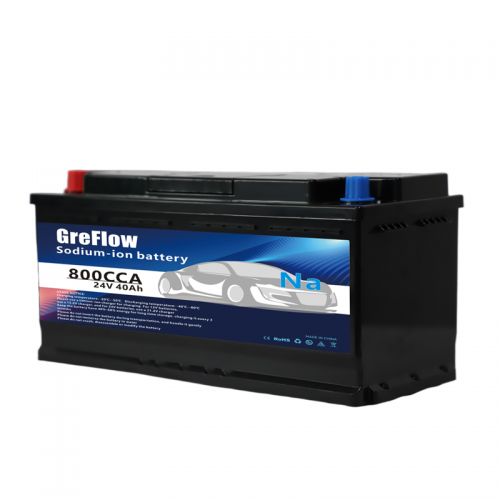
Sodium ion 800CCA 24V 40Ah truck starter batte...
-
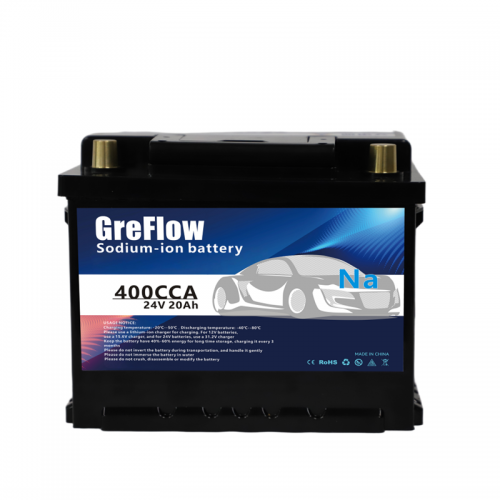
High discharge rate 400CCA 24V 20Ah Sodium io...
-
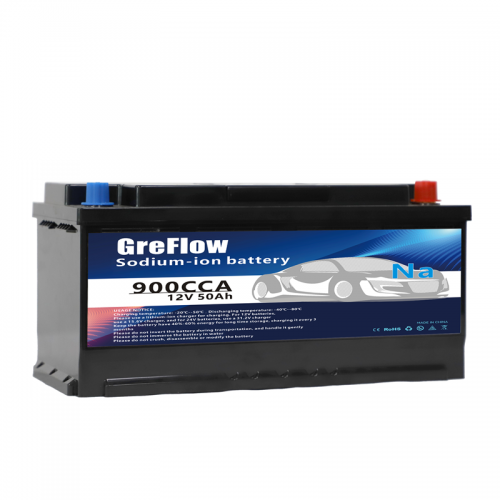
900CCA 12V 50Ah high rate Sodium ion battery f...
-
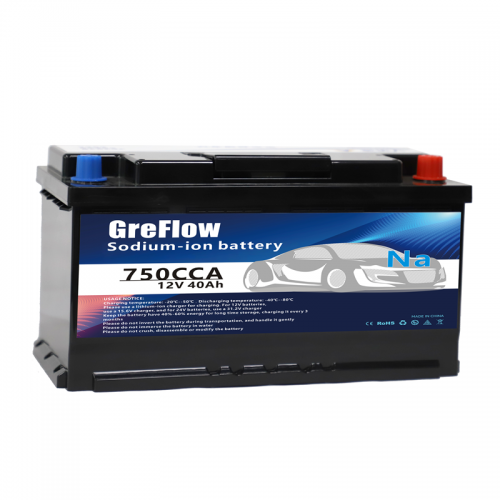
Sodium ion battery 750CCA 12V 40Ah car starter...
-
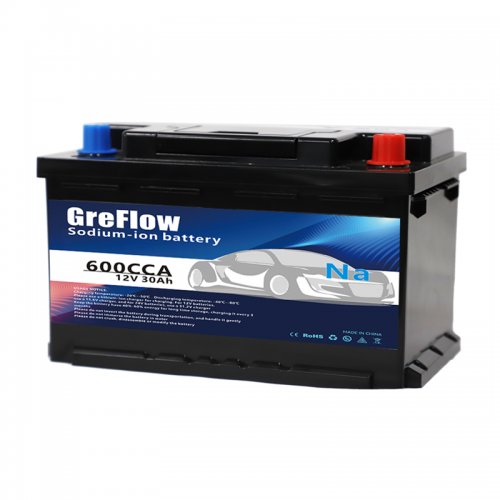
Car starter battery 600CCA 12V30Ah Sodium ion...
-
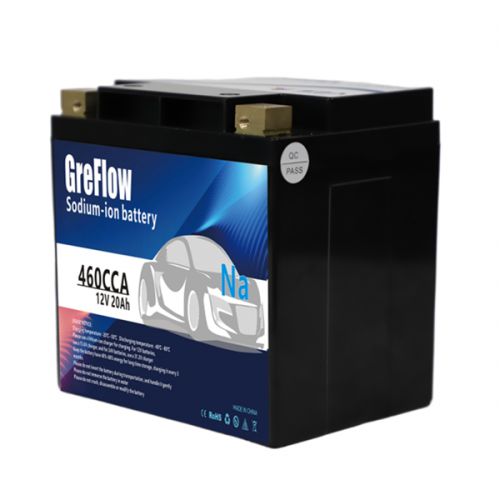
motorcycle and car starter battery 460CCA 12V20A...
-
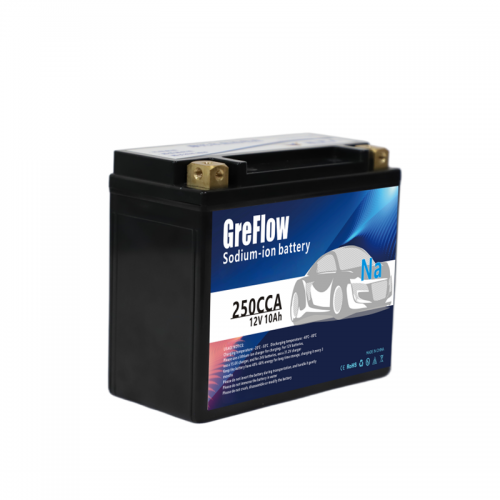
motorcycle starter battery Sodium ion battery 250C...